
Why Hiring a Contractor Goes Wrong So Often
Hiring a contractor should be straightforward: you need work done, a professional does it, and you pay a fair price. In practice, it's one of the most complaint-prone consumer transactions homeowners encounter. The problems rarely come from bad luck - they come from predictable, avoidable missteps made before the first nail is driven.
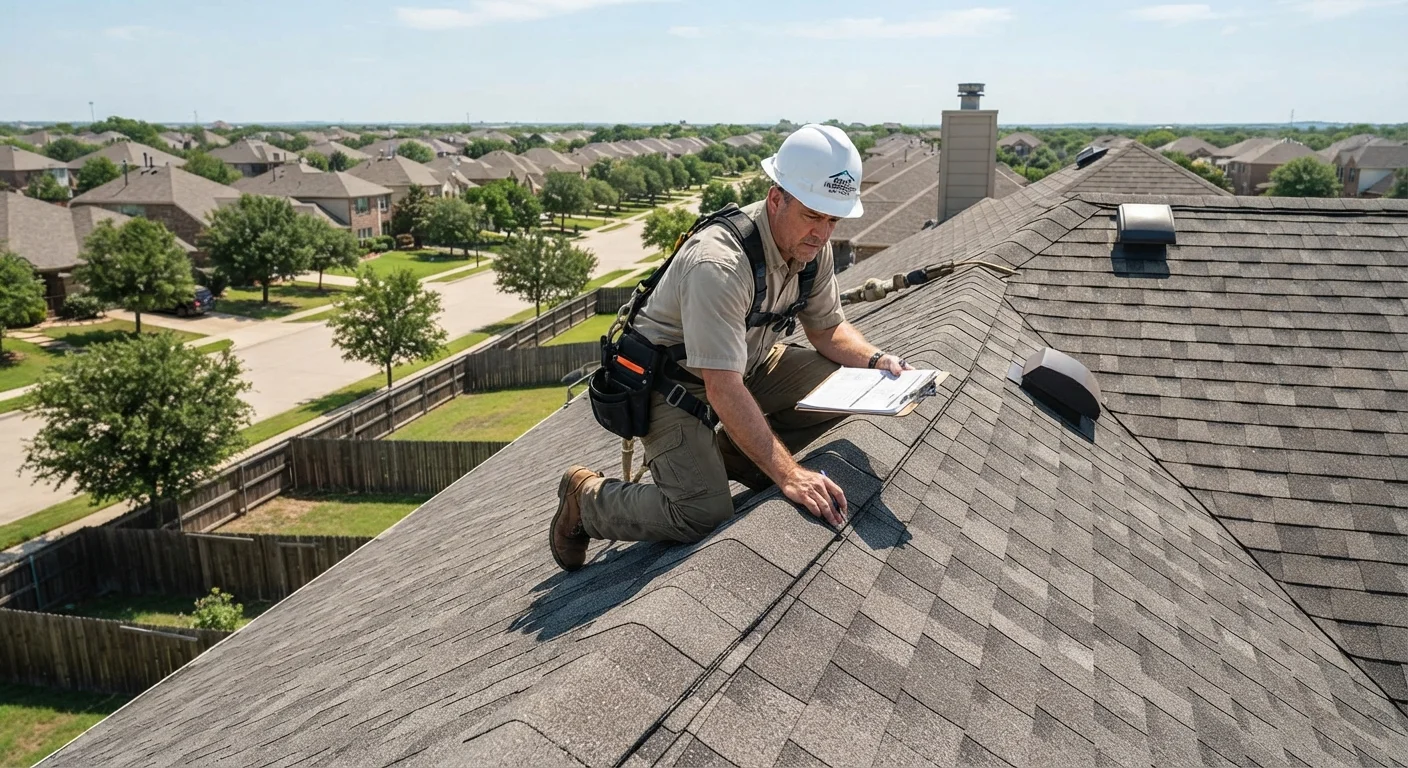
Most hiring mistakes happen at the beginning, not during the work itself. Vague agreements, insufficient vetting, and misaligned expectations set the stage for disputes, cost overruns, and unfinished jobs. Understanding where things typically go wrong puts you in a much stronger position - whether you're managing a kitchen remodel or a straightforward roof inspection.
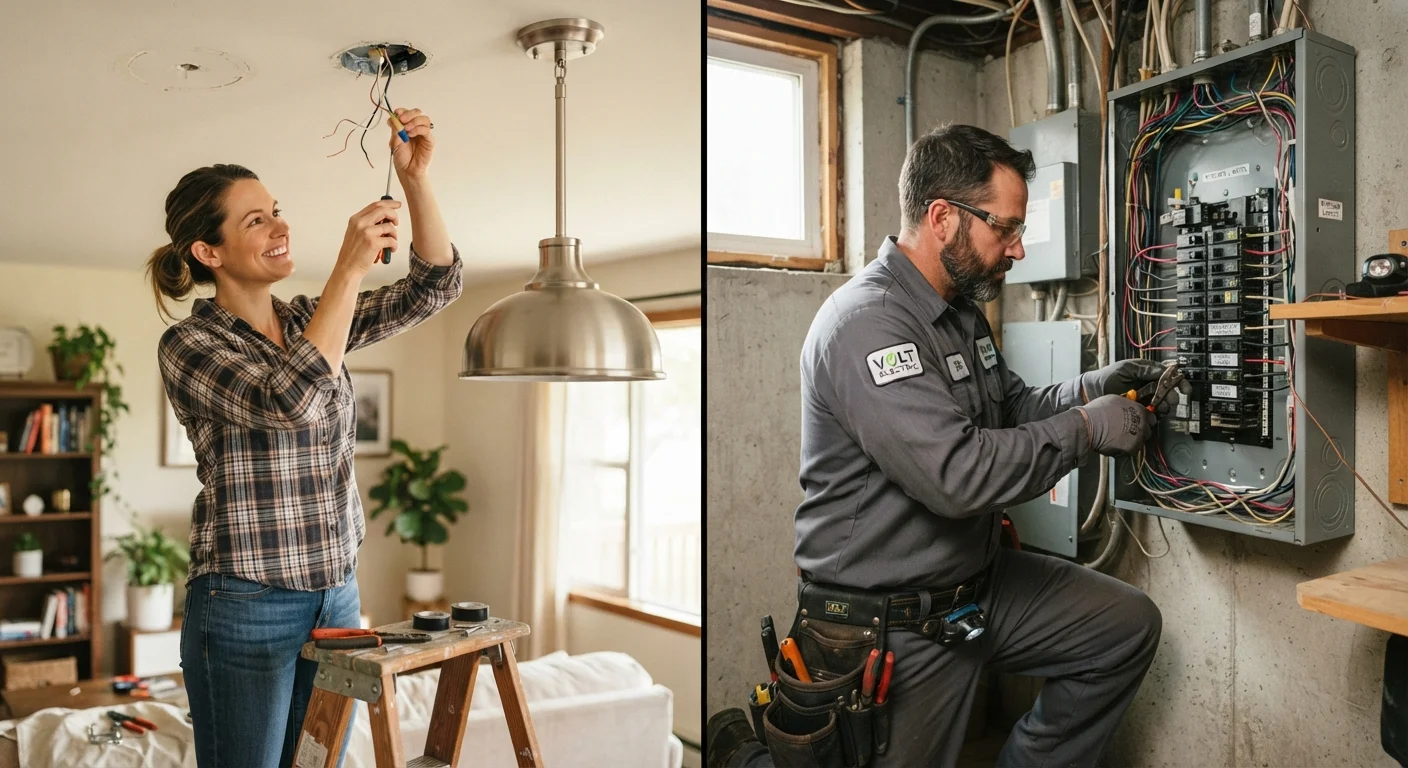
If you're also weighing which jobs to hand off versus handle yourself, our guide to DIY tasks vs. licensed professional work is a useful starting point.
The Most Common Hiring Mistakes - and How to Fix Them
The errors below are not rare edge cases. They're the patterns that show up repeatedly in contractor disputes, consumer complaints, and building code violations. Each one is preventable with a small amount of preparation.
Hiring based on price alone without comparing multiple bids.
Why it happens: When a low quote appears, the savings feel immediate and real - the risks feel abstract. Many homeowners assume a lower price simply means a more efficient contractor.
Signing a vague contract without scope, timeline, or materials specified.
Why it happens: Homeowners often feel awkward asking for more detail, or assume a verbal understanding is sufficient once both parties seem to agree.
Skipping reference checks and independent license verification.
Why it happens: Contractors often present polished websites or confident referrals, which can feel like sufficient vetting. Checking references feels slow when you're eager to start a project.
Ignoring permit requirements and assuming the contractor will handle them.
Why it happens: Permits seem like bureaucratic friction, and some contractors actively discourage them to move faster or avoid scrutiny of their work.
Failing to clarify who is responsible for cleanup and site protection.
Why it happens: It feels minor compared to the main scope of work, so most homeowners never raise it - until they're left with debris, dust throughout the house, or damaged landscaping.
Never Pay the Full Amount Upfront
Paying a contractor in full before work is complete removes nearly all your leverage if problems arise. A reasonable deposit - often 10-30% depending on project size - is normal, but the bulk of payment should be tied to completed, inspected milestones. If a contractor insists on full payment before starting, treat that as a serious warning sign.
It's also worth reading our broader guide to when to call a licensed professional - knowing which projects genuinely require a licensed contractor changes how you approach the hiring process from the start.
Protecting Yourself Before, During, and After the Job
Good contractor relationships are built on clear documentation and reasonable milestones - not trust alone. Before signing anything, verify credentials independently, confirm insurance coverage directly with the insurer if possible, and make sure every agreement is in writing.
Unlicensed Work Can Void Your Insurance
Work performed by an unlicensed or uninsured contractor may not be covered by your homeowner's insurance if something goes wrong. Some policies explicitly exclude damage caused by unpermitted or unqualified work. Confirm licensing status directly with your state contractor licensing board before signing anything.
During the project, do brief walkthroughs at agreed milestones before releasing each payment. Take dated photos of work in progress, especially for anything that will be covered up - insulation, wiring rough-ins, plumbing. These records matter if a dispute arises later.
After the job is finished, get copies of all permits and final inspection sign-offs. Keep them with your home records - they'll be relevant if you ever sell or make a future insurance claim. For a broader look at staying on top of home upkeep, the Home Maintenance hub covers the routines that keep small issues from becoming expensive ones.
~$3B
Estimated annual contractor fraud losses in the U.S.
The Federal Trade Commission consistently lists home improvement fraud among the top consumer complaint categories each year.
1 in 3
Homeowners who skip written contracts
Consumer protection surveys have repeatedly found that a significant share of homeowners proceed on verbal agreements alone, especially for smaller projects.
This article provides general informational guidance only and does not constitute legal or financial advice. Requirements for permits, licensing, and contractor regulations vary by state and locality - verify current rules with your local building department or a qualified professional before starting any project.