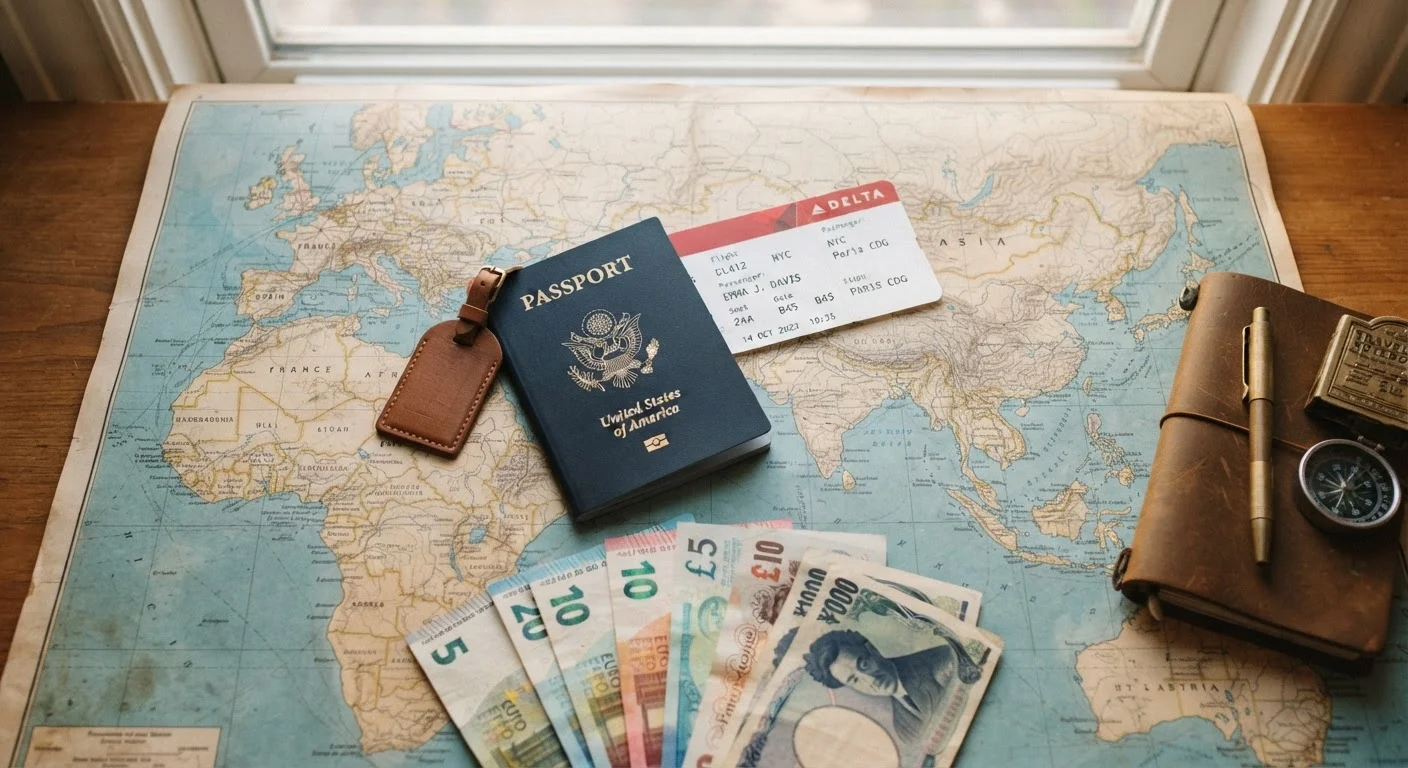
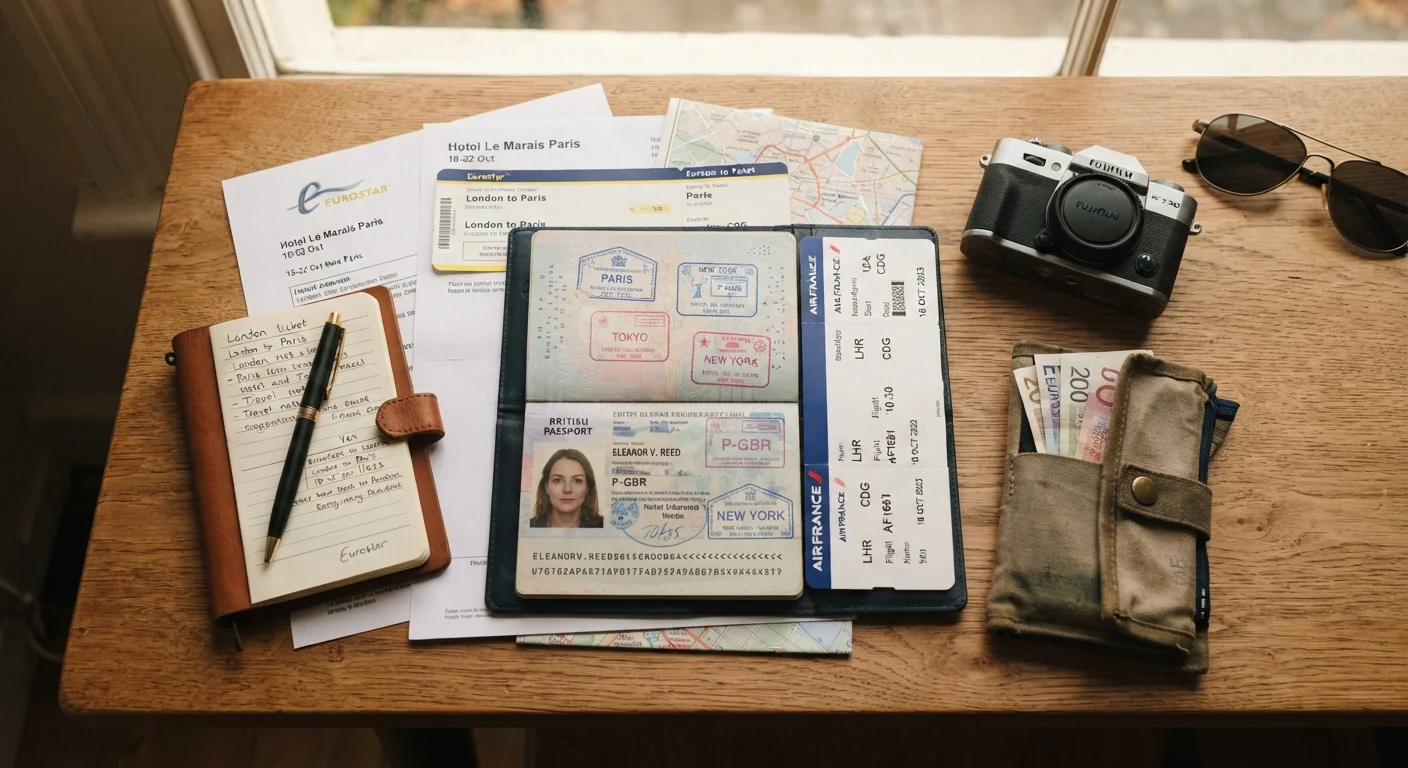
Why Your Document Lineup Makes or Breaks a Trip
Landing in a foreign country only to discover a missing document is a traveler's nightmare - and a surprisingly common one. Whether you're crossing into Europe, navigating Southeast Asia, or heading to South America for the first time, the paperwork you carry is your proof of identity, your legal authorization to be there, and sometimes your lifeline in an emergency.
This checklist covers every document worth having on your person or easily accessible when traveling internationally as an American citizen. Think of it as a pre-departure audit: work through each item before you zip that suitcase. For a broader look at everything to confirm before you leave, see our full pre-trip checklist.
Passport Validity Rules Vary - Don't Assume
Many countries require your passport to be valid for six months beyond your intended departure date, not just your arrival date. A passport expiring two months after your trip may be rejected at the border. Check the specific entry requirements for every country on your itinerary, including transit stops, well before booking.
Document requirements can change without much notice. Always verify visa policies, entry rules, and health documentation requirements through official U.S. government and destination-country government sources before traveling.
The Complete International Travel Document Checklist
Use the categories below to methodically confirm you have what you need. Items marked must are non-negotiable for most international trips; should items are strongly recommended; nice-to-have items can add meaningful peace of mind.
Identity & Authorization
Travel & Booking Records
Health & Insurance Documents
Emergency & Financial Backup
If this is your first time heading abroad, our guide on what Americans need to know before leaving walks you through many of these categories with extra context for first-timers. For a comprehensive end-to-end logistics reference, see International Travel as an American.
Tools That Help You Stay Organized
Assembling your documents is only half the job - storing and accessing them efficiently matters just as much, especially in a stressful airport or at a border crossing.
Secure document wallet or travel organizer
Keeps passports, cards, itineraries, and insurance documents together and accessible during transit.
Password-protected cloud storage
Stores encrypted digital scans of all critical documents, accessible from any internet-connected device if originals are lost.
U.S. Department of State STEP enrollment
Free government program that allows the nearest U.S. embassy to contact you in an emergency and provides travel alerts for your destination.
Offline maps and translation app
Helps navigate to embassies, hospitals, or accommodation details when internet connectivity is unavailable.
Never Travel With Originals Only
Losing your only copy of a passport or visa abroad can mean days of delays, embassy visits, and significant expense. Always prepare at least one photocopy of every critical document and store it separately from the original - in checked luggage, a hotel safe, or with a trusted travel companion. A digital backup in secure cloud storage adds a third layer of protection.
Never store all your documents in a single bag or location. Keep your original passport on your person and store photocopies separately - ideally in checked luggage or a hotel safe - so a theft or loss doesn't leave you entirely without identification.
Before You Go: A Few Final Reminders
Once you've assembled your documents, spend a few minutes on these finishing touches. Photograph every document with your phone and email the images to yourself so they're accessible from any device. Register with the U.S. Department of State's Smart Traveler Enrollment Program (STEP) - it's free, takes minutes, and allows the nearest U.S. embassy or consulate to reach you in an emergency.
Packing strategy can also affect how well your documents travel. Our piece on international packing principles covers how to keep essentials accessible without compromising security. And if you want a broader planning framework, our international trip planning reference ties all these logistics together in one place.
This article provides general travel information only. Entry requirements, visa rules, and documentation standards vary by destination and change frequently. Always consult official government sources - including the U.S. Department of State and the destination country's official immigration authority - before traveling.