How Monthly Costs Compare - and Why That Changes Over Time
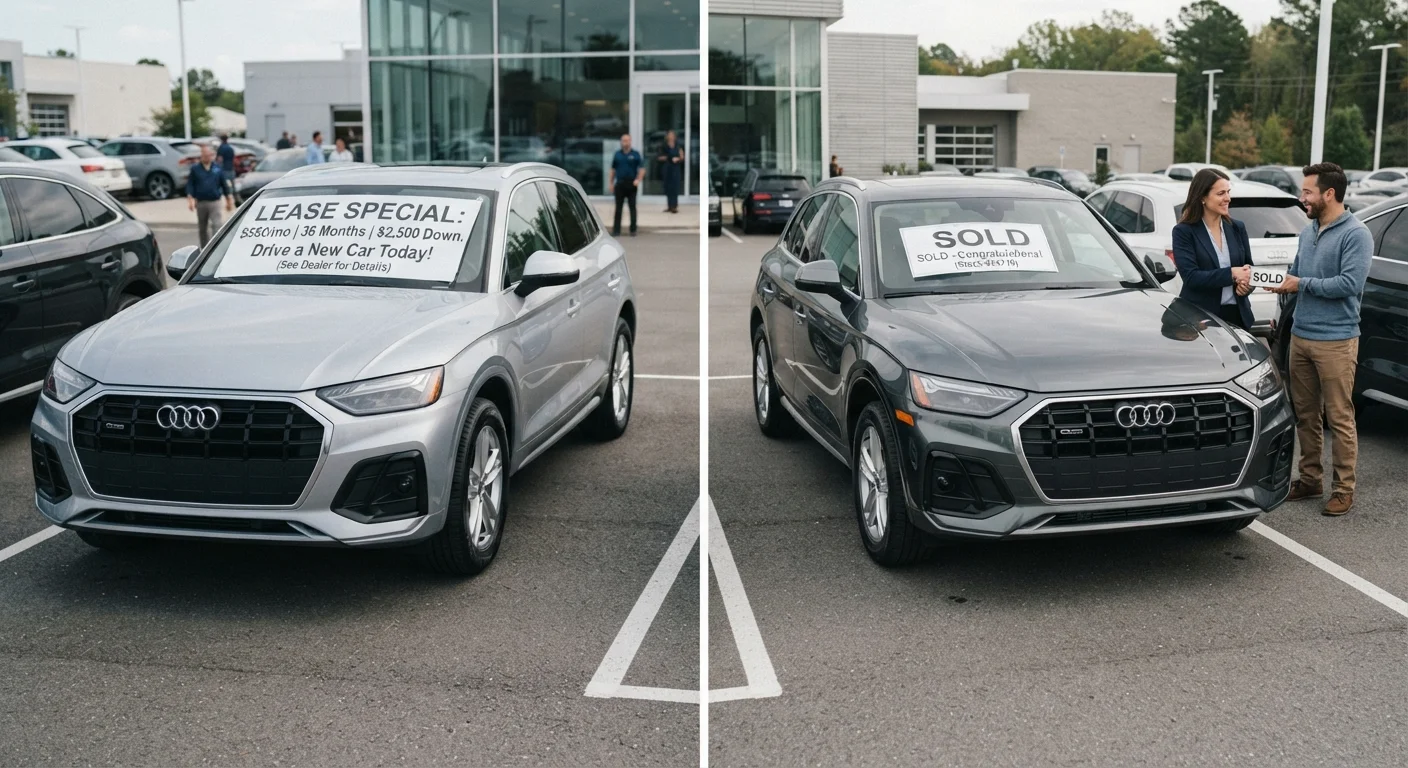
On a month-to-month basis, leasing almost always carries a lower payment than financing the same vehicle for purchase. This is because a lease payment covers only the vehicle's depreciation during the lease term, plus interest (called the money factor) and fees - not the full purchase price. A buyer financing the same vehicle pays toward the entire cost of ownership.
However, this comparison changes substantially over a longer time horizon. A lease payment never reaches zero: once one term ends, the next begins. A car loan, by contrast, is eventually paid off. After that point, a buyer's only vehicle-related expenses are maintenance, insurance, and registration - considerably lower than an active lease or loan payment. Managing those ongoing costs effectively can extend a vehicle's financial advantage even further.
| Criterion | Leasing | Buying |
|---|---|---|
| Monthly payment | Lower (covers depreciation only) | Higher (covers full purchase price) |
| Ownership equity | None built | Builds with each payment |
| Mileage freedom | Capped (typically 10,000-15,000/yr) | Unlimited |
| End-of-term outcome | Return or re-lease vehicle | Own vehicle outright |
| Modification allowed | Generally not permitted | Owner's discretion |
| Long-term cost (10 yrs) | Higher (continuous payments) | Lower (payments eventually end) |
| Maintenance responsibility | Usually under warranty | Owner's responsibility post-warranty |
Equity, Depreciation, and the Long-Term Ledger
The most significant structural difference between leasing and buying is equity. When you purchase a vehicle - even with a loan - each payment builds a share of ownership. When you eventually sell or trade in the car, that equity offsets your next vehicle's cost. Leasing builds no equity whatsoever: the vehicle is returned to the lender at term's end.
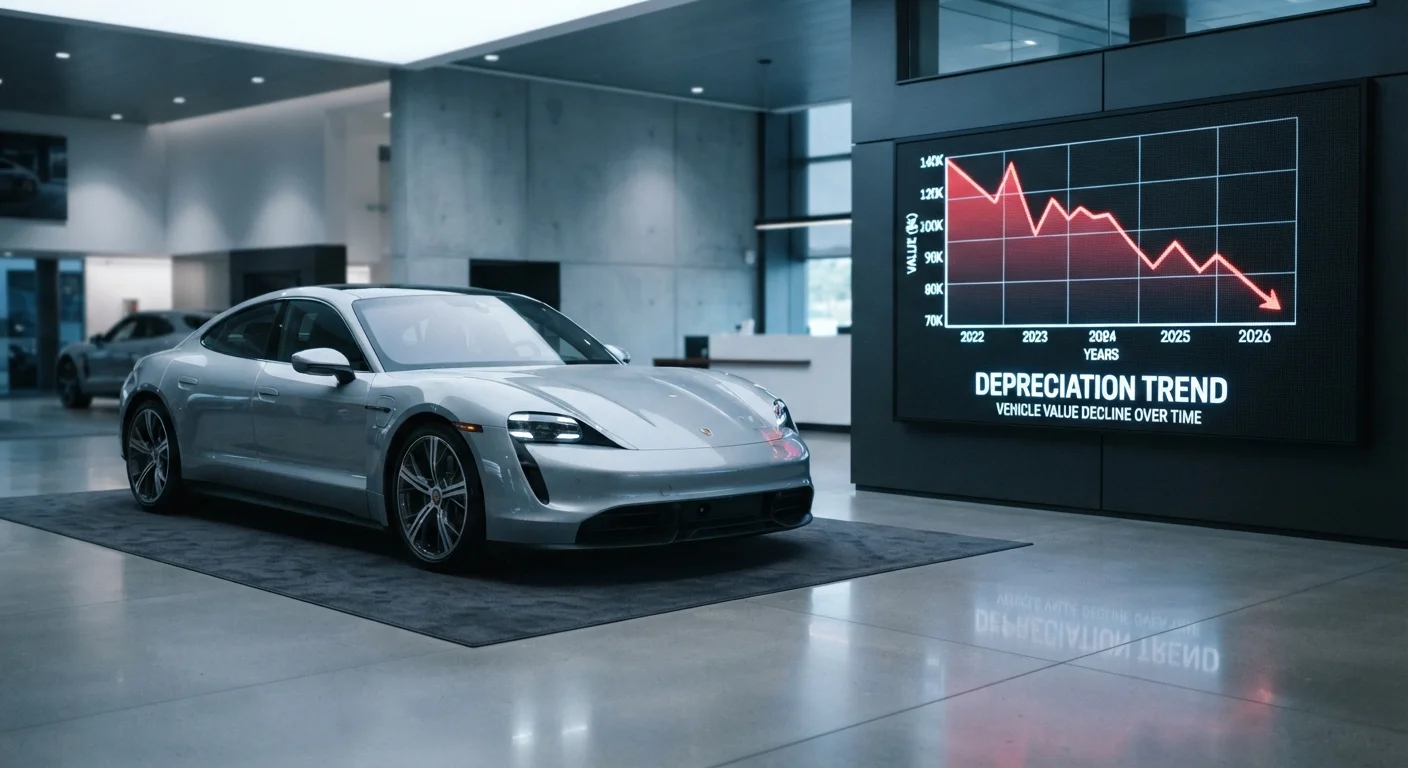
Depreciation is the underlying force shaping both arrangements. New vehicles typically lose a substantial portion of their value in the first few years - a dynamic explored in detail in our guide on how vehicle depreciation works and why it matters. Lease pricing accounts for this depreciation upfront, which is partly why monthly payments are lower. Buyers absorb depreciation as a paper loss, but retain the residual value as a tangible asset.
~49%
Average new vehicle depreciation in first 3 years
Industry estimates suggest new cars lose roughly half their value within the first three years, directly affecting residual values used in lease pricing.
$0.15-$0.30
Typical per-mile fee for excess mileage on a lease
Most lease agreements charge this range for every mile driven over the contracted annual limit, a cost that can total thousands over a multi-year term.
11.5 years
Average age of vehicles on U.S. roads
According to S&P Global Mobility data, the average age of light vehicles in operation in the U.S. has risen steadily, reflecting how long many drivers keep purchased vehicles.
Over a 10-year period, the cumulative cost of repeatedly leasing equivalent vehicles typically exceeds the total cost of buying one vehicle and keeping it long-term. The crossover point depends on variables including interest rates, the vehicle's reliability, and how much the owner spends on maintenance.
Mileage Limits, Restrictions, and Hidden Costs
Lease agreements are contracts with defined boundaries. Most standard leases allow 10,000-15,000 miles per year; going over incurs per-mile penalties that accumulate quickly. Wear-and-tear standards also apply: excessive scratches, tire wear, or interior damage may trigger additional charges at lease return. These costs are difficult to predict and are sometimes underestimated at signing.
Buyers face no such constraints. A purchased vehicle can be driven as many miles as needed, modified for personal use, or kept well past conventional trade-in windows. For drivers whose usage patterns vary year to year, ownership eliminates this uncertainty entirely. For a fuller picture of costs that surprise both buyers and lessees, see our overview of expenses first-time vehicle owners routinely underestimate.
Gap Coverage Is Worth Understanding
Both lessees and buyers who finance a vehicle should be aware of gap coverage - insurance that pays the difference between what you owe and what a totaled or stolen vehicle is worth. For leases, gap coverage is sometimes included in the contract; for financed purchases, it is typically an add-on. Confirm the details of any agreement before signing, and consult your insurance provider about what your existing policy covers.
It's also worth noting that financing options influence the true cost of buying. Whether you finance through a dealership or an outside lender affects the interest rate and total amount paid - a distinction covered thoroughly in our piece on financing through a dealership versus a bank or credit union.
Which Path Fits Your Situation?
Neither leasing nor buying is universally superior - both reflect genuine trade-offs that depend on individual driving habits, financial goals, and how long someone plans to keep a vehicle. Leasing offers lower short-term costs and predictable expenses within warranty coverage. Buying rewards patience: the longer a vehicle is owned after the loan is paid off, the more favorable the economics become.
Drivers weighing this decision should also consider where a potential vehicle sits on the new-versus-used spectrum - a comparison with its own financial dynamics, as outlined in our article on new car vs. used car financial trade-offs. Those who have already committed to purchasing may find additional clarity in our guide to owning a car outright versus carrying a loan.
The clearest guidance: if you drive predictable, moderate mileage and value the experience of a newer vehicle, leasing is a reasonable choice. If you drive a lot, want maximum long-term value, or plan to keep your vehicle well past a typical loan term, buying tends to win on the numbers.