The Depreciation Reality
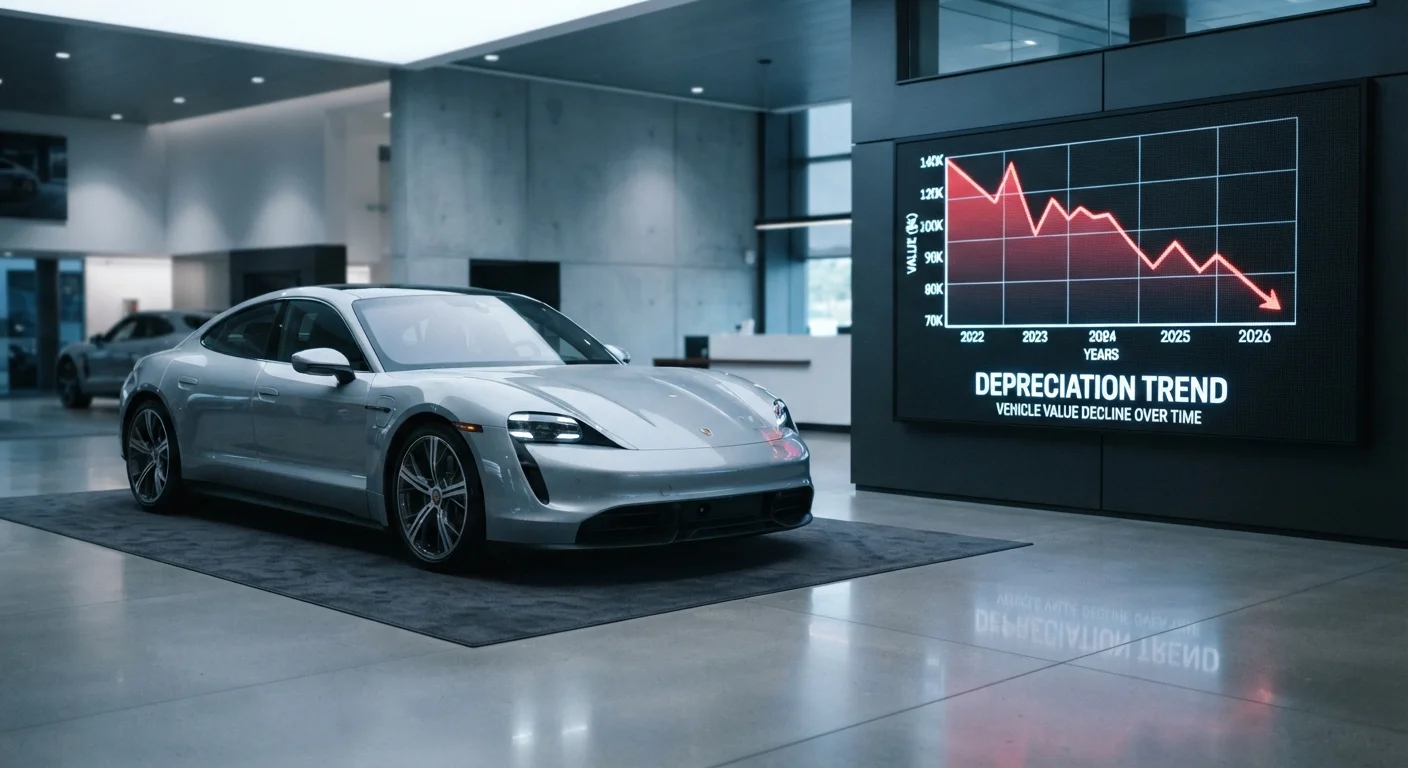
Depreciation is the single largest cost most car owners never see as a line item on a bill. A new vehicle can lose roughly 15-20% of its value the moment it leaves the lot, and up to 30% within the first year, depending on make, model, and market conditions. By years two and three, the steepest drop has usually already happened.
This is why buying a vehicle that is two or three years old can transfer a substantial portion of that depreciation loss to the original owner rather than yourself. Understanding how depreciation works in detail helps clarify why timing your purchase relative to a vehicle's age can matter more than negotiating a few hundred dollars off the sticker price.
Used-car buyers do face one counterweight: market conditions affect used prices just as they do new ones. Periods of tight inventory can push used prices unusually high, narrowing or occasionally eliminating the traditional savings advantage.
| New Car | Certified Pre-Owned | Standard Used Car | |
|---|---|---|---|
| Upfront Purchase Price | Highest | Moderate | Lowest to moderate |
| Depreciation Exposure | Highest (first 1-3 years) | Lower - already absorbed | Lower - already absorbed |
| Typical Financing Rate | Lowest; promotional rates possible | Moderate | Highest among the three |
| Warranty Coverage | Full manufacturer warranty | Extended limited warranty | Usually none or limited |
| Repair Uncertainty | Minimal in early years | Low to moderate | Moderate to high |
| Safety Technology | Latest standard features | Varies by model year | May lack modern assists |
| Best Ownership Horizon | 8+ years | 4-8 years | Varies; know vehicle history |
Financing Rates and Monthly Costs
New cars generally qualify for lower interest rates than used vehicles. Lenders view newer vehicles as stronger collateral, and automakers sometimes offer promotional financing rates - occasionally as low as 0% for well-qualified buyers - that are simply unavailable on the used market.
Used car loans, by contrast, typically carry rates several percentage points higher. That gap can add meaningful cost over a five- or six-year loan term. A buyer financing $25,000 at 3% pays notably less in interest than one financing $20,000 at 8%, even though the loan balance is higher on the new car.
Running actual loan scenarios with your expected down payment and credit profile is important before assuming either option is cheaper month-to-month. Comparing dealership and bank financing can also affect the rate you're offered, regardless of whether the vehicle is new or used.
~20-30%
Value lost in first year of ownership
Industry data consistently shows new vehicles lose a significant share of their value within 12 months of purchase, with the rate varying by segment and market conditions.
2-5%+
Typical rate gap: new vs. used auto loans
Federal Reserve consumer credit data generally shows used-vehicle loan rates run several percentage points above rates on new-vehicle loans for similar borrower profiles.
Warranty Coverage and Repair Risk
New vehicles arrive with manufacturer warranties - typically a 3-year/36,000-mile bumper-to-bumper warranty and a 5-year/60,000-mile powertrain warranty, though these vary by manufacturer. That coverage significantly reduces out-of-pocket repair exposure during the early years of ownership.
Used vehicles outside of warranty carry full repair risk. A transmission failure or major engine issue can quickly erase years of savings from a lower purchase price. Certified pre-owned (CPO) programs attempt to bridge this gap: they typically include a manufacturer-backed inspection, an extended limited warranty, and roadside assistance. CPO vehicles generally cost more than standard used options but less than new, and they offer a meaningful layer of protection.
Extended Warranties on Used Cars: Read Carefully
Third-party extended warranties marketed for used vehicles vary widely in what they actually cover, which repair shops they authorize, and how claims are processed. Before purchasing one, review the contract terms carefully, particularly the exclusions list. A policy that excludes pre-existing conditions or limits repairs to certain facilities may provide less protection than it appears to at first glance.
For drivers who log high annual mileage, warranty coverage can be especially valuable in the early years - repairs accumulate faster on heavily used vehicles. Strategies for managing ownership costs over time remain relevant once any warranty period ends.
Which Path Fits Your Situation?
The new-vs.-used decision ultimately comes down to four personal variables: how long you'll keep the vehicle, your financing terms, your comfort with repair uncertainty, and your need for current safety and technology features.
Drivers who keep vehicles for eight or more years tend to see the depreciation gap narrow over time - a new car bought and held for a decade distributes that early value loss over many more miles. Shorter ownership horizons, however, often favor used vehicles where the steepest depreciation curve has already passed.
Safety technology is another legitimate consideration. Federal safety standards evolve, and vehicles from even five years ago may lack driver-assistance features - automatic emergency braking, lane-keeping assist, blind-spot monitoring - that are now standard on new models.
If you're weighing all three paths including leasing, a detailed look at leasing versus buying lays out how monthly costs, equity, and long-term exposure differ across arrangements. And for those considering how carrying an auto loan affects overall finances, the practical differences between outright ownership and a financed vehicle are worth reviewing before committing.
Pull a Vehicle History Report Before Buying Used
Before committing to any used vehicle, obtain a vehicle history report using the VIN (vehicle identification number). These reports flag prior accidents, odometer discrepancies, title issues, and service records. A pre-purchase inspection by an independent mechanic is also a sound investment - typically $100-$150 - and can reveal mechanical issues not visible during a standard test drive.