Why Good Intentions Don't Translate Into Lasting Systems
Most organizing projects begin with real motivation - a weekend cleared, a pile finally sorted, containers lined up neatly on a shelf. And then, six weeks later, the shelf is buried again. This pattern is so common it has its own name among professional organizers: the rebound. Understanding why it happens is the first step to breaking it.
The core issue is almost never willpower or effort. It's system design. When an organizing structure doesn't match how people actually behave in a space - how they move, how rushed they are, who else uses the area - it fails quietly, one skipped step at a time. The reasons clutter keeps returning are more behavioral and structural than most people realize.
The mistakes below are among the most common reasons organizing habits collapse - and each one is correctable once you can name it.
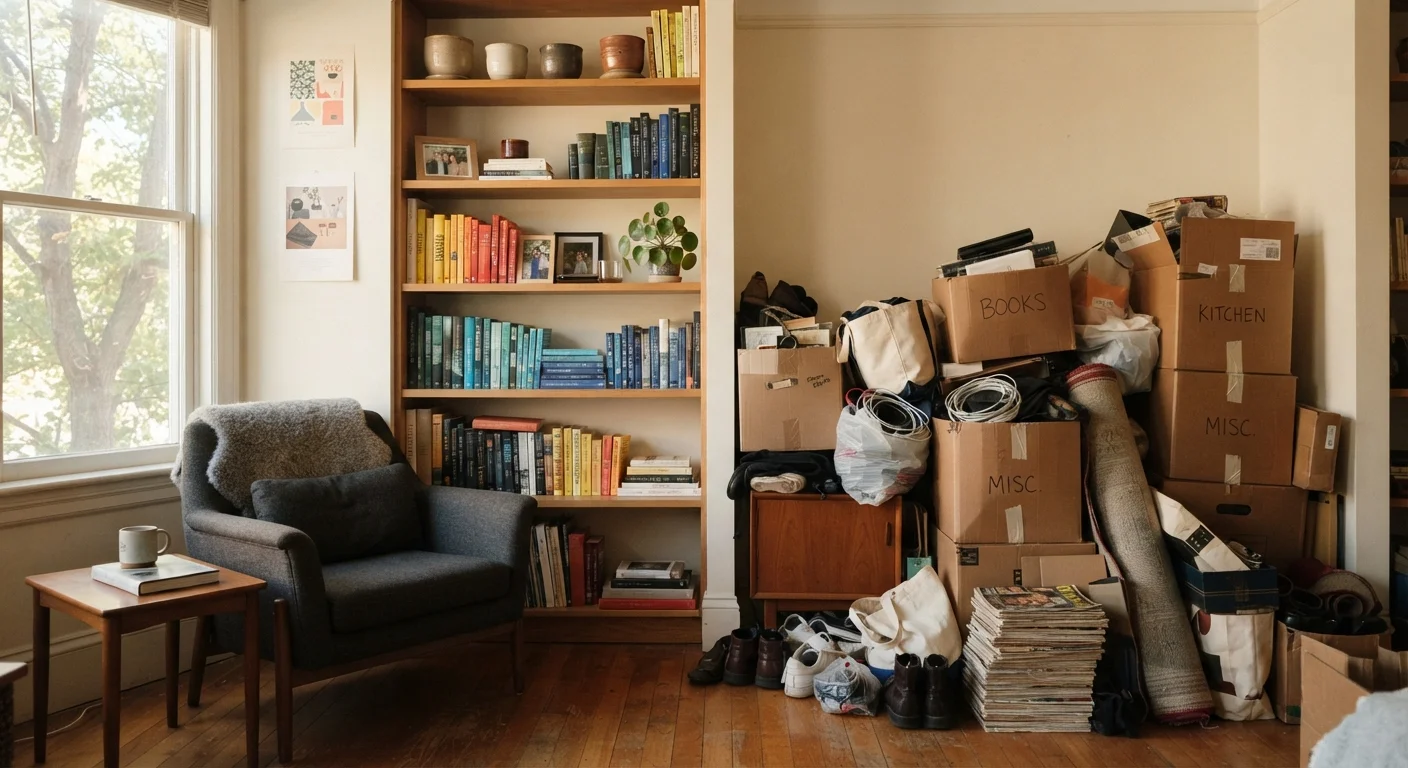
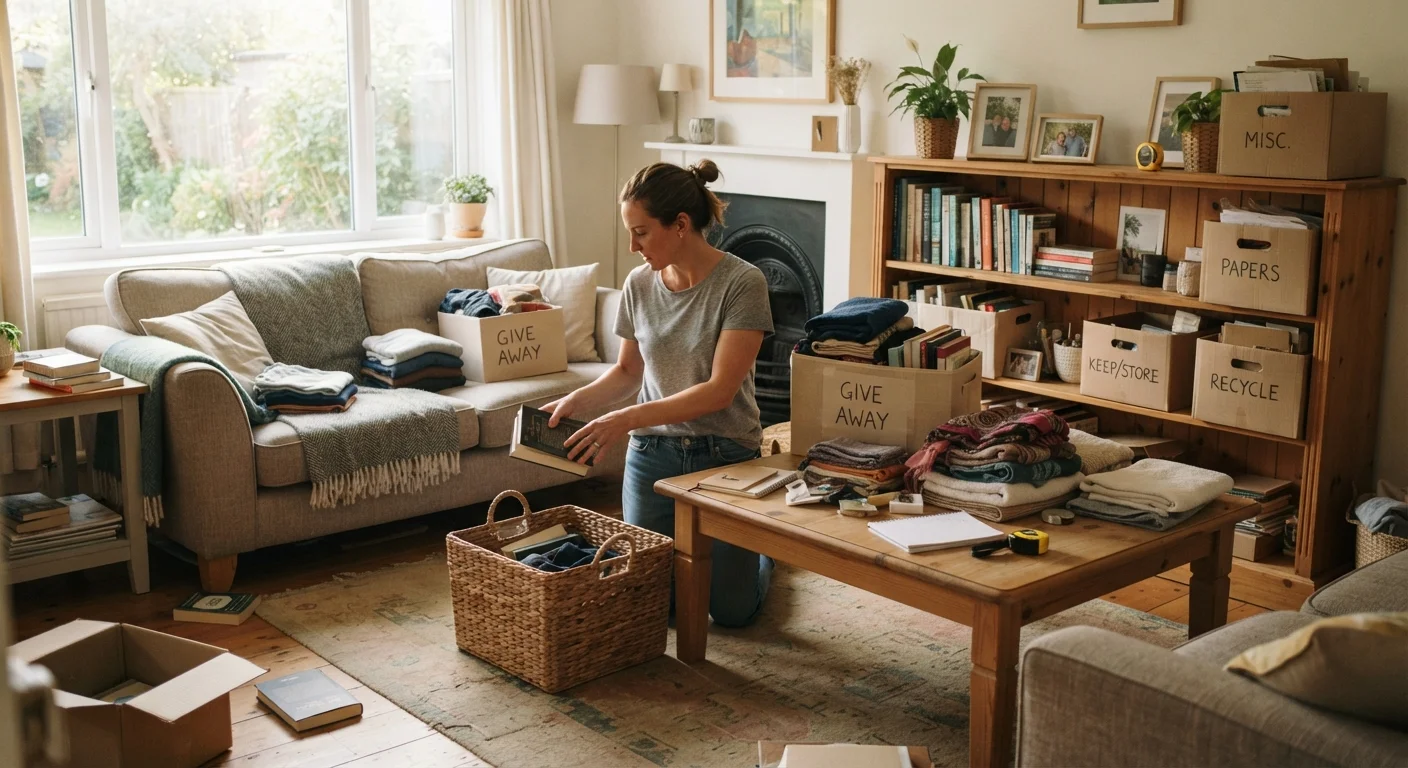
Buying storage containers before deciding what to keep.
Why it happens: Storage shopping feels productive and motivating, so many people start there - but it skips the essential step of editing down possessions first.
Building a system around an idealized version of your routine rather than your actual one.
Why it happens: Organizing inspiration tends to come from highly curated sources, which can cause people to design for aspirational habits they don't yet have.
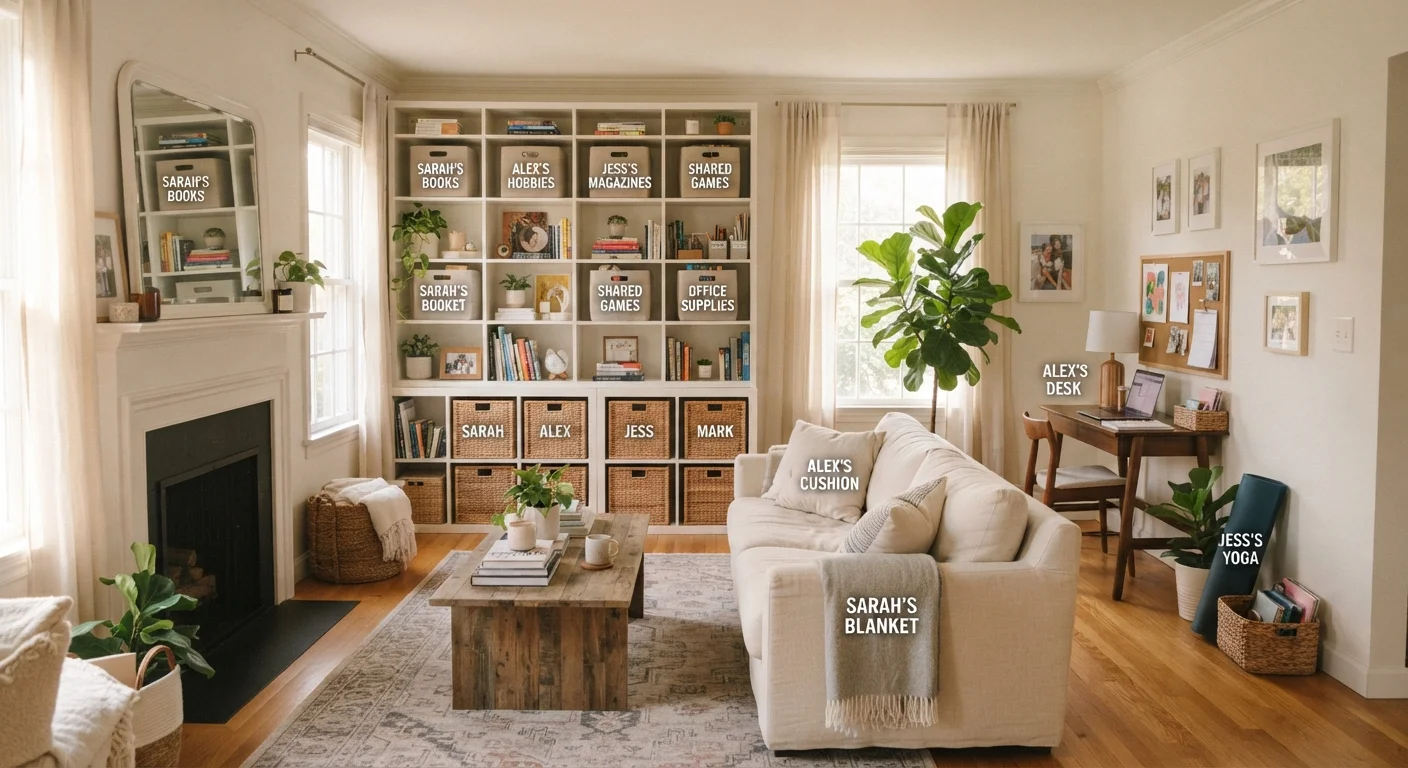
Organizing a shared space without involving the people who use it.
Why it happens: One motivated person often takes charge, imposing a system that makes sense to them but feels arbitrary or inconvenient to everyone else.
Treating the initial organization as the finish line.
Why it happens: The effort of a big declutter or reorganization feels like an accomplishment - because it is - but it can create a false sense that the work is done.
Using overly specific or complicated labeling systems.
Why it happens: Detailed categorization looks satisfying and thorough, but it creates friction when returning items - especially for kids or other household members.
Ignoring the underlying flow of new items entering the home.
Why it happens: Most organizing focuses on what's already there, without addressing the ongoing inflow of purchases, mail, and accumulation that rebuilds clutter.
Building Habits That Actually Hold
Avoiding these mistakes won't just save you time on a re-do - it can also have real financial ripple effects. Disorganization contributes to duplicate purchases, expired food, and missed deadlines, costs that add up quietly over months. For a closer look, explore the hidden costs of disorganization that most households don't track.
Don't Let a Big Purge Be Your Only Plan
A one-time declutter creates momentum, but without a maintenance routine - even just five minutes a day - clutter reliably returns within a month or two. Think of the big purge as clearing the runway, not landing the plane. Build in a regular reset habit before the first item goes back on the shelf.
If you're just getting started and feel overwhelmed before you've moved a single thing, that's normal - and addressable. Our guide for beginners walks through foundational steps for creating a calmer home without requiring a total overhaul at once.
Complexity Is the Biggest Threat
If a system requires more than two or three steps to put something away, most people will skip it under time pressure. A beautiful but complicated organizing structure will lose to a floor pile every time. Prioritize systems that are easy to use on your worst day, not your best.
The organizing systems that hold over time tend to share a few qualities: they're simple enough to use when you're tired, they reflect how the household actually functions, and they include some kind of regular reset. That's a lower bar than most people expect - and a far more achievable one than perfection.
80%
Of clutter is from indecision, not shortage of space
Professional organizers commonly cite indecision - rather than lack of storage - as the primary driver of household clutter accumulation.
23 min
Average time lost daily searching for misplaced items
Research cited by the National Association of Productivity and Organizing Professionals suggests the average American spends roughly 23 minutes a day looking for things.