The Real Reason Clutter Keeps Coming Back
Most people who declutter their homes are frustrated when everything looks the same six months later. The instinct is to blame themselves - they weren't disciplined enough, didn't try hard enough, or just aren't organized people. But that framing misses the point entirely.
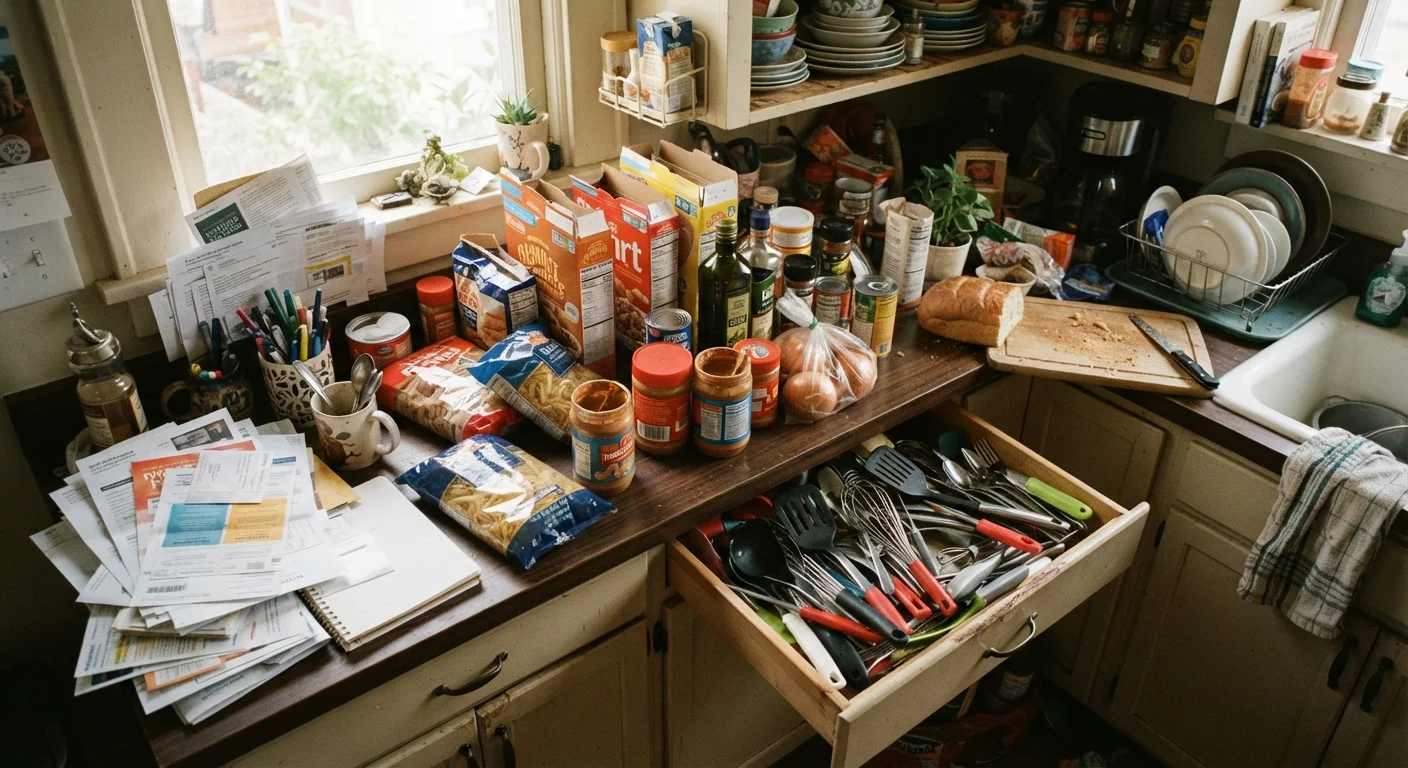
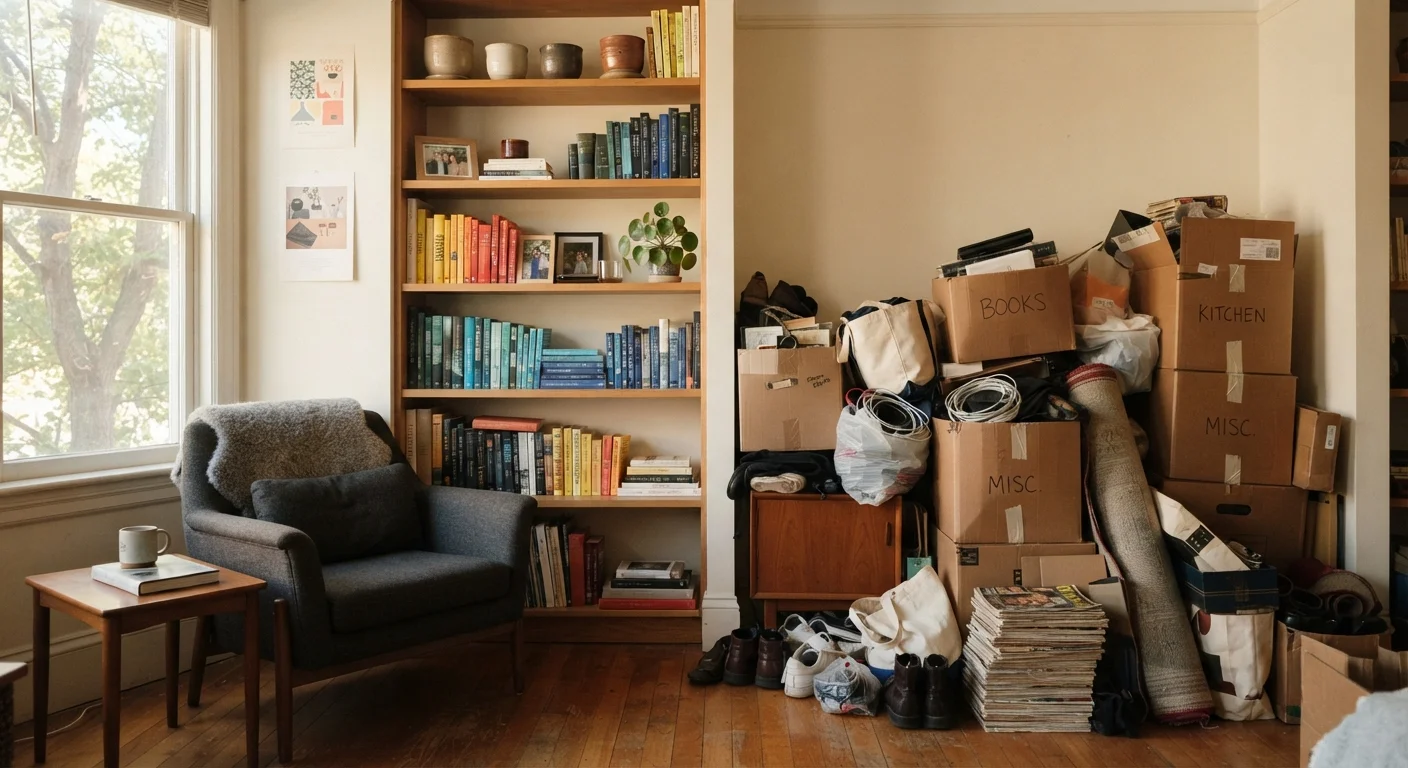
Clutter is primarily a systems problem, not a willpower problem. When items don't have a clear, convenient home, they land wherever is easiest - on countertops, in doorway piles, across chairs. Over time, these landing zones become defaults, and the chaos reassembles itself even after a thorough cleanout. As the hidden costs of disorganization article explores, this cycle has real consequences beyond the visual - including duplicate purchases and time lost searching for misplaced items.
Breaking the cycle means addressing the structural conditions that allow clutter to form, not just clearing the symptom. The myth-busting pairs below target the most persistent misconceptions that keep households stuck.
Myth
If I just do one big declutter session, I'll finally get ahead of the clutter for good.
Fact
A single purge removes existing clutter but does nothing to stop new clutter from accumulating if the underlying system hasn't changed.
One-time declutters feel productive - and they are, temporarily. But without changing how items enter the home, where they land, and how decisions get made about them daily, the same conditions that created the clutter in the first place remain intact. Within weeks or months, surfaces fill again. Sustainable tidiness comes from maintenance habits, not periodic overhauls.
Myth
I just need more storage - more bins, shelves, and organizers will fix the problem.
Fact
Adding storage to a cluttered home typically just gives clutter more places to hide, not a reason to disappear.
Storage products are useful tools, but only after you've reduced the volume of what you own and established a system for what stays. Buying more bins before addressing acquisition habits often results in neatly organized clutter - stuff in labeled containers that you still don't use or need. The organizing step comes after the editing step, not instead of it.
Myth
Clutter is a sign of laziness or a lack of discipline.
Fact
Clutter is most often the result of poor environmental design - homes where putting things away is harder than setting them down.
Research in behavioral design consistently shows that humans take the path of least resistance. If your closet requires multiple steps to open and put something away properly, but the bedroom chair is right there and open, the chair accumulates clothes. This is not a character flaw - it's a predictable human response to an environment that hasn't been optimized. Redesigning your space to make the right behavior easier is more reliable than relying on motivation.
Myth
Minimalism is the only real solution - you just have to own less stuff.
Fact
Volume is one factor, but organization and systems matter equally; many households with modest possessions still struggle with clutter.
Owning fewer items can reduce clutter pressure, but it's not a complete answer for every household or lifestyle. Families with children, hobbyists, or people who work from home often have legitimate needs for more belongings. The key is that every item has a defined, accessible place and a clear reason to be there. A well-organized home with many items can feel calmer than a sparse home where nothing has a consistent home.
Myth
If I haven't been able to get organized before, I'm just not an organized person.
Fact
Organization is a skill and a set of environmental conditions - neither is fixed, and both can be changed at any point.
Labeling yourself as someone who "can't get organized" is both discouraging and inaccurate. Most people who struggle with clutter have simply never been taught to design their environment deliberately, or they've tried systems that weren't matched to how they actually live. A system that works for a single professional in a studio apartment will often fail for a family of four in a busy household. Matching the system to your real behavior - not an idealized version of it - is what makes the difference.
What Actually Stops Clutter for Good
Once you understand what's really driving clutter, you can build friction into the habits that bring stuff in - and reduce friction in the habits that put things away. A few principles make the biggest difference:
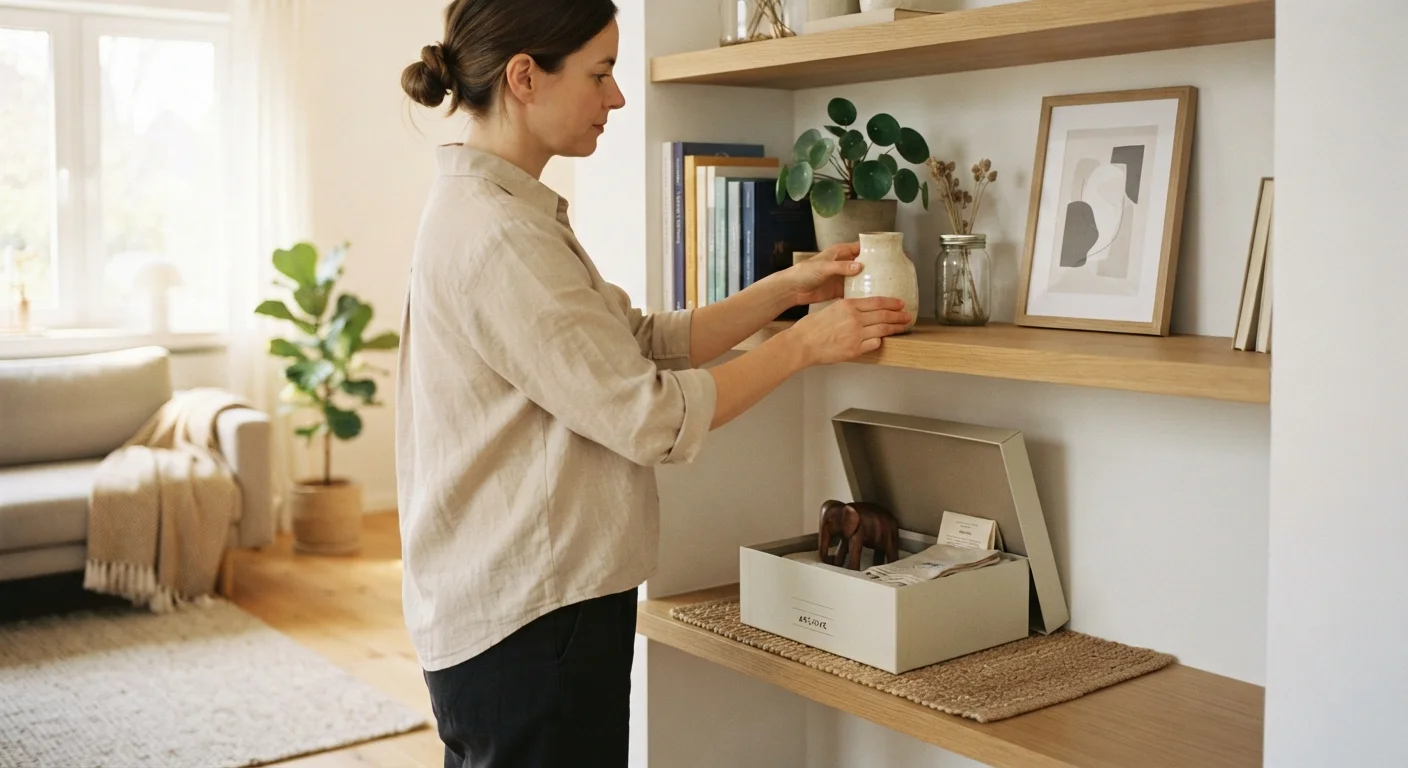
- Assign every item a specific home. Vague categories like "miscellaneous" or "junk drawer" expand without limit. Defined spots for defined things create natural stopping points.
- Make putting things away easier than setting them down. If returning an item takes five steps and tossing it on a chair takes one, the chair wins every time. Redesign storage so it competes.
- Build entry and exit rituals. The moment something enters your home is the best time to decide where it lives - or whether it comes in at all. The one-in-one-out rule is one framework for this, though it works best when adapted to your household's actual flow.
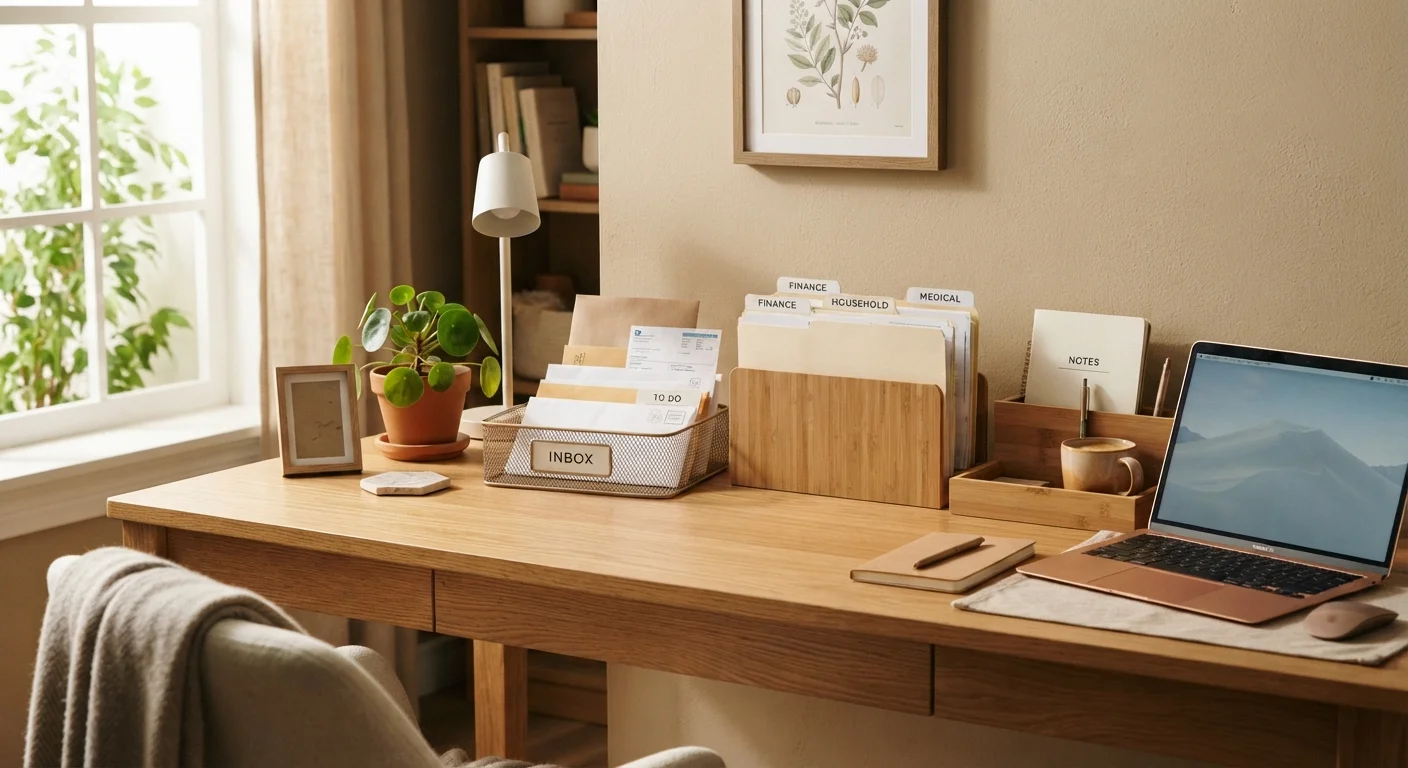
- Address paper separately. Paper is one of the fastest-accumulating clutter categories in American homes. A dedicated paper management system prevents mail, receipts, and forms from colonizing every flat surface.
Avoid Organizing Before Editing
One of the most common mistakes is rushing to buy storage solutions before deciding what to keep. Organizing items you don't need wastes both money and space, and often leads to systems that feel overwhelming to maintain. Always reduce before you organize - evaluate what you're keeping, then build a home for it.
If you've tried organizing systems before and watched them unravel, you're not alone - and it's likely a design issue, not a personal one. The organizing habits that unravel fast article breaks down the common structural reasons even well-intentioned systems collapse. And if you're ready to take a room-by-room approach, the room-by-room decluttering walkthrough offers a practical, low-overwhelm framework for American homes.
25%
Of homeowners cite clutter as a major source of household stress
According to a survey by the National Association of Professional Organizers, roughly one in four American homeowners describe clutter as a significant daily stressor.
~$2,000
Annual cost of buying duplicates of misplaced items
Research cited by professional organizing associations suggests American households spend an estimated average of around $2,000 per year replacing or duplicating items they already own but cannot find.