What Each Philosophy Actually Means
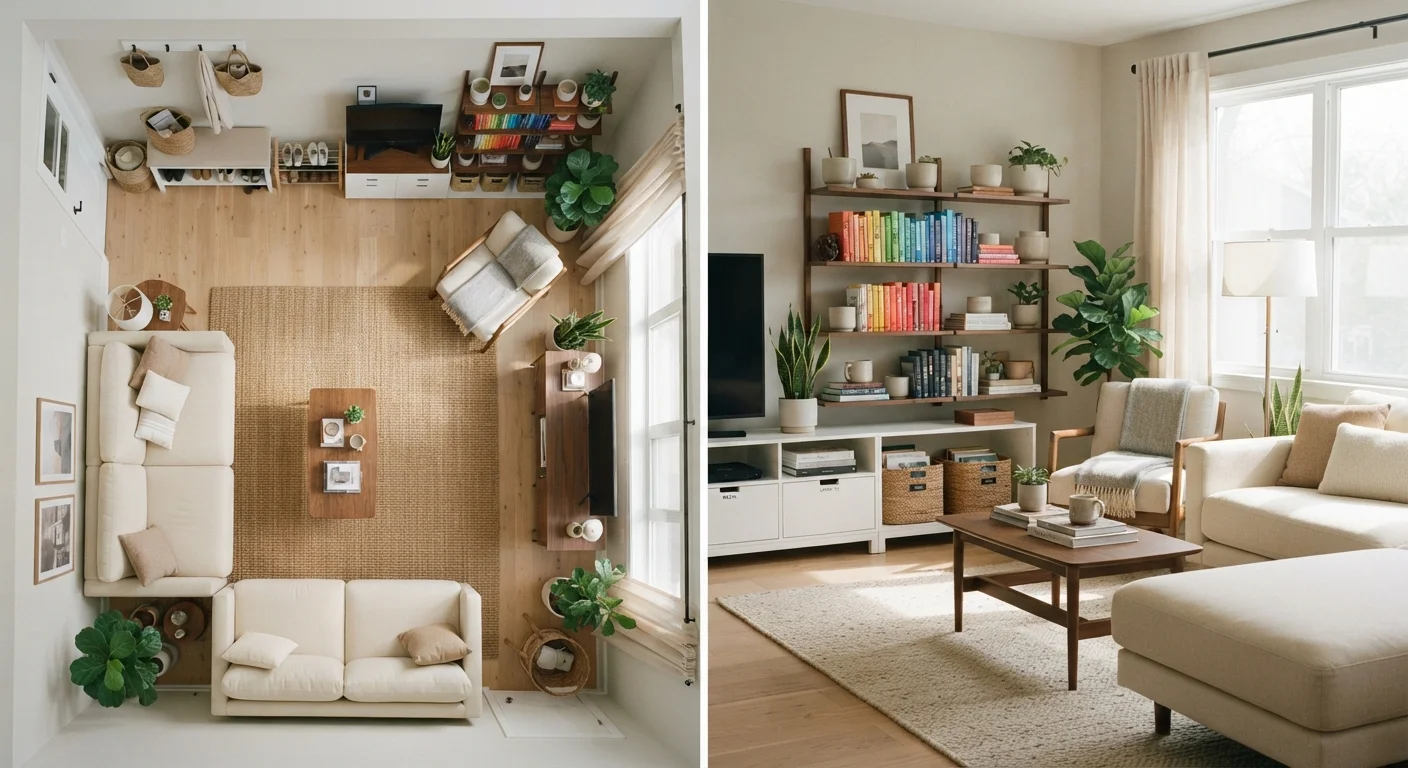
At its core, zone-based organizing asks: Where do I use this? You divide your home into functional areas - a morning routine zone near the bathroom, a homework zone at the kitchen table, a charging zone by the door - and store items within those areas. The logic follows your movement through the day.
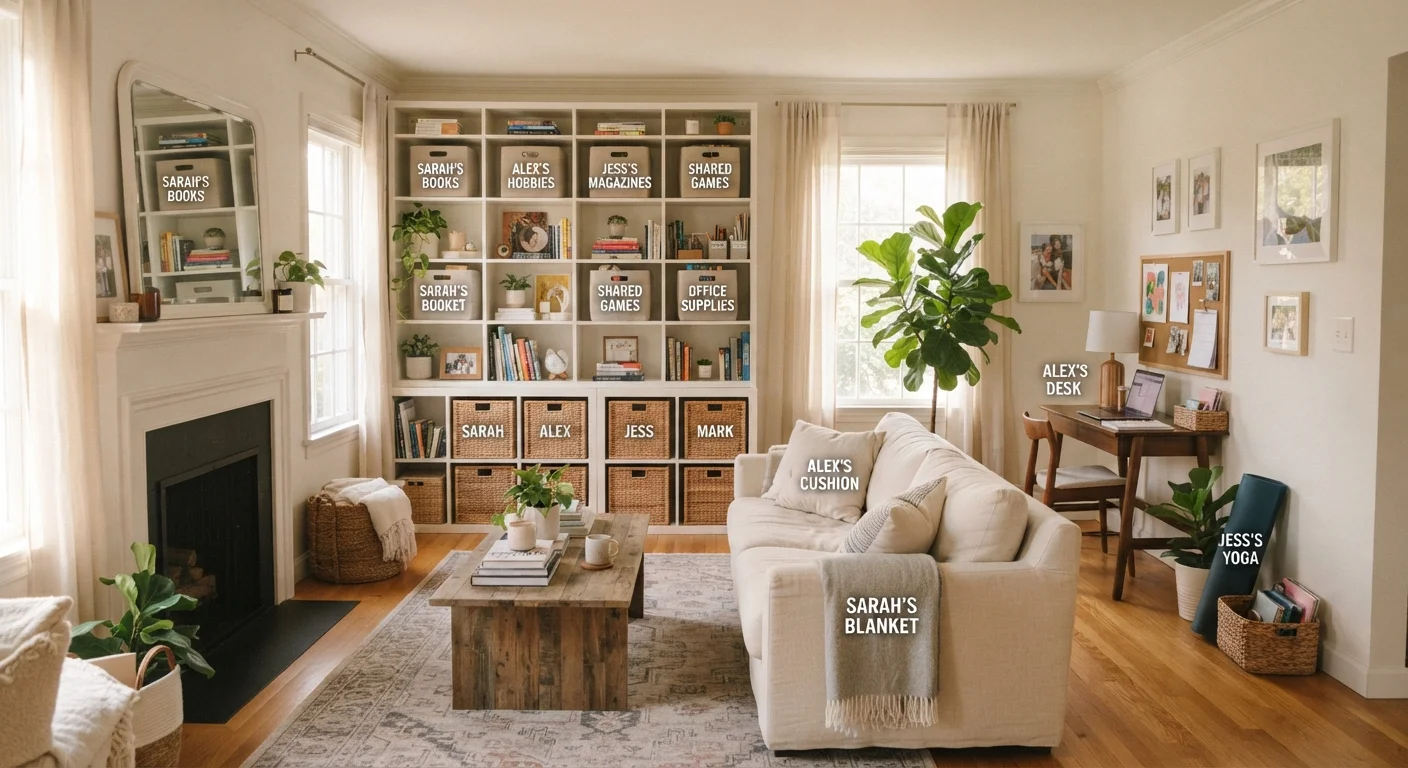
Category-based organizing asks instead: What is this? Before anything gets put away, you pull together every item that belongs to the same category - all books, all cleaning supplies, all craft materials - assess the full collection, and then decide where it lives. It's an inventory-first mindset.
If you're new to intentional organizing, understanding this distinction is a useful first step. Neither system is inherently superior; each reflects a different set of priorities.
| Criterion | Zone-Based | Category-Based |
|---|---|---|
| Core question | Where do I use this? | What is this? |
| Best starting point | Established home with set routines | Major declutter or new home |
| Inventory awareness | Lower - items spread across zones | High - all like items grouped |
| Day-to-day maintenance | Intuitive - return to use location | Requires discipline to sustain |
| Works well for multi-person homes | Yes - spatial logic is shared easily | Harder - needs buy-in from all |
| Decluttering effectiveness | Moderate | High - duplicates surface quickly |
| Pairs well with | Open bins, activity-based storage | Labels, drawer dividers, inventories |
Zone-Based Organizing: Strengths and Limits
Zone systems work well because they map onto real behavior. If your kids do homework at the kitchen table, keeping their supplies in a nearby drawer makes more sense than storing them in a bedroom. The system sustains itself because items live where they're actually used.
This approach is particularly strong in homes with multiple people who have different habits. When each zone has a clear purpose, it's easier to create shared expectations without requiring everyone to memorize a complex filing logic.
The main limitation: zone systems don't naturally surface how much you own of any one thing. You might have batteries in three different zones and not realize it until you're shopping for more. Without periodic review, zones can accumulate clutter quietly.
Zone Creep: A Common Pitfall
Over time, zone systems can expand beyond their original boundaries - a charging zone becomes a general drop zone, a homework corner fills with unrelated items. Setting a brief monthly reset habit (five to ten minutes per zone) helps catch drift before it compounds. Clear zone boundaries, marked by a shelf, bin, or drawer, also reduce ambiguity about what belongs where.
Category-Based Organizing: Strengths and Limits
Category systems shine during transitions - a move, a major declutter, a home reset after years of gradual accumulation. Pulling every item in a category into one place forces honest decisions: duplicates become visible, forgotten items resurface, and the sheer volume of what you own becomes undeniable.
This method also pairs naturally with labeling systems, since each storage location corresponds to a well-defined category. For spaces like garages - where seasonal gear, tools, and miscellaneous items tend to pile up - a category-first pass can be clarifying before you decide how to store anything. See our article on garage organization for a practical example.
The limitation: category systems require more upfront effort and discipline to maintain. If items are used across multiple areas of the home, returning them to a centralized category location can feel inconvenient, and the system gradually breaks down.
25%
Of home space often used for storage
Home organization research frequently notes that a significant portion of interior square footage is devoted to storing items, many of which go unused for years.
1 in 4
Americans describe their home as disorganized
Survey data from the National Association of Professional Organizers has indicated that roughly one-quarter of U.S. adults feel their homes lack adequate organization.
How to Choose - or Combine - Both
Most homes benefit from a hybrid approach. Use category thinking to audit and reduce what you own, then use zone thinking to decide where everything lands. This sequence avoids the common mistake of organizing without first decluttering - you end up with neatly stored things you don't need.
For storage decisions within zones, your containment choices matter too. And if you're working with limited floor space, vertical storage options can extend what any zone or category system can hold.
The most durable organizing system is the one that matches how your household actually moves through space - not the one that looks best in a photograph. Start with an honest observation of where clutter tends to collect and what behavior is causing it. That answer will tell you whether you need clearer zones, better category visibility, or both.